
Home / Services / Blown-In Insulation
Loose fill, measured to depth
Blown-In Insulation in Knoxville, Tennessee
Blown-in loose fill is still the most economical way to bring an attic floor back to a real rated depth, and it flows around framing that batts have to be cut around.
Depth Is the Entire Specification
Loose-fill insulation only delivers its rated R-value at its rated installed depth, and depth is exactly what people most often do not get. Material settles. Material gets pushed aside by anyone who has been up there running a cable. A bag count is not a depth, and a quote expressed in bags tells you nothing about what you will end up with.
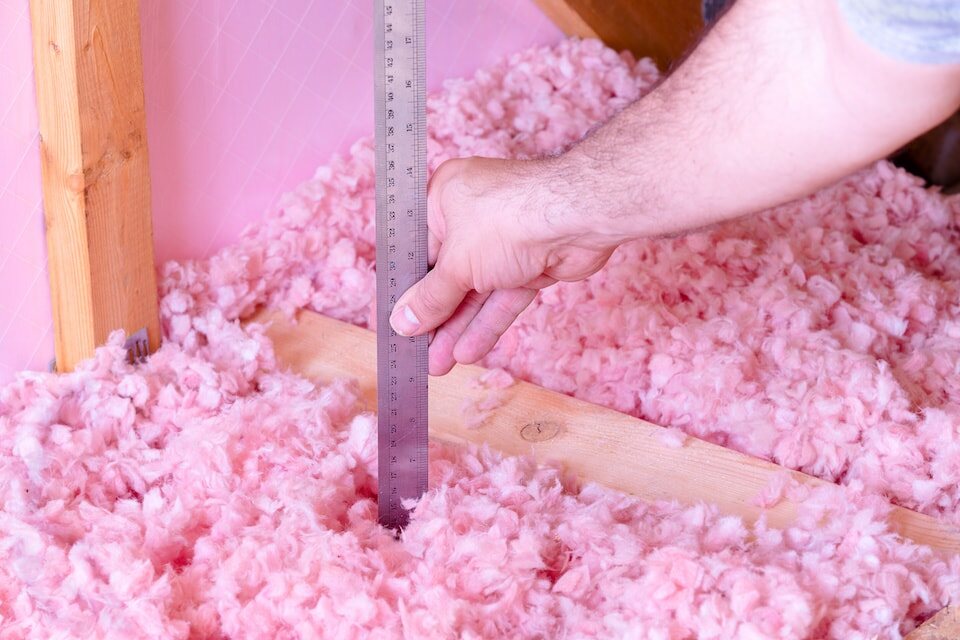
So we install to a stated depth, leave depth markers in the attic so the figure stays checkable after we go, and check coverage across the whole area rather than at the hatch where it is easy to look good. The photograph further down this page is that check being made with a steel rule — which is the only way anybody actually knows.
Cellulose or Fiberglass
Cellulose is recycled paper fibre treated for fire and pest resistance. It is denser, packs tightly around obstructions, and generally resists air movement through it better. Loose-fill fiberglass is lighter, adds less load to a ceiling, and will not absorb water if the roof ever leaks.
Both are legitimate. In Knoxville the decision usually turns on ceiling load and whether there is any history of water in the attic. We will name which one is in the quote and why we chose it for your house.
Topping Up Versus Starting Over
Not every shallow attic needs stripping out. Where the existing loose fill is dry, uncontaminated and simply short of depth, blowing over the top of it is the sensible, economical answer and we will recommend exactly that.
It comes out when it is wet, when there is rodent contamination, when there is evidence of a past roof leak, or when the air sealing underneath has never been done — because burying an unsealed attic floor hides the leakage instead of fixing it, and you pay for insulation that underperforms from the first day.
Ask what depth your attic is at now: call (865) 270-5126 or request a free estimate.
This Is the Check That Matters
A steel rule pushed down to the joist tells you what you actually bought. It takes seconds, it can be repeated by anyone, and it is the difference between a rated depth and a hopeful one.
The installed depth is written on your estimate, so it is a number you can verify yourself after we leave rather than a claim you have to take on trust. If it is short, we come back.
Blown-in questions
Common questions about loose fill
Is blown-in cheaper than spray foam?
Per square foot of attic floor, considerably, which is why it remains the right answer for a straightforward top-up. It does a different job though: it insulates but does not air seal, so any sealing work is a separate, visible line on the estimate.
Does blown-in settle?
Loose fill settles somewhat over its life and the rated depth accounts for that. Dense-packed material in a closed wall is installed at a density chosen specifically to resist settling. What we will not do is quote a bag count and call it a depth.
Is cellulose a fire risk?
Cellulose used as building insulation is treated with fire retardants and tested to the relevant standards; it is not the untreated paper people picture. We keep it clear of heat sources, flues and any fitting that requires a clearance, regardless of material.
How do I know I got the depth I paid for?
Depth markers left in the attic, plus photographs. The installed depth is on the estimate, so it is checkable rather than a claim.
Should the air sealing be done first?
Yes, wherever the attic floor has never been sealed. Adding depth over an unsealed floor buries the air leakage rather than fixing it, and the new material underperforms from day one. We quote the sealing separately so you can see what it costs and decide.
Find out what depth your attic is actually at
We will measure what is in place and quote the material, the depth and any sealing work as separate lines.
Free written estimates • Installed depth stated • Depth markers left behind
Related work
Other ways to insulate
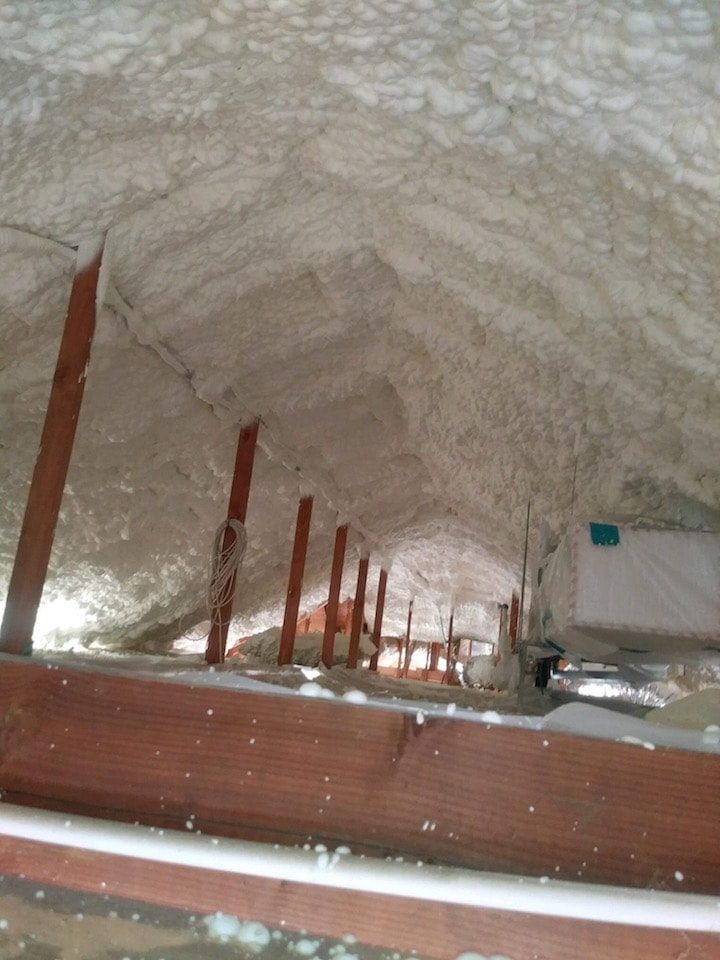 Attic InsulationWhere blown-in usually goes, and the sealing that should come first.Explore service →
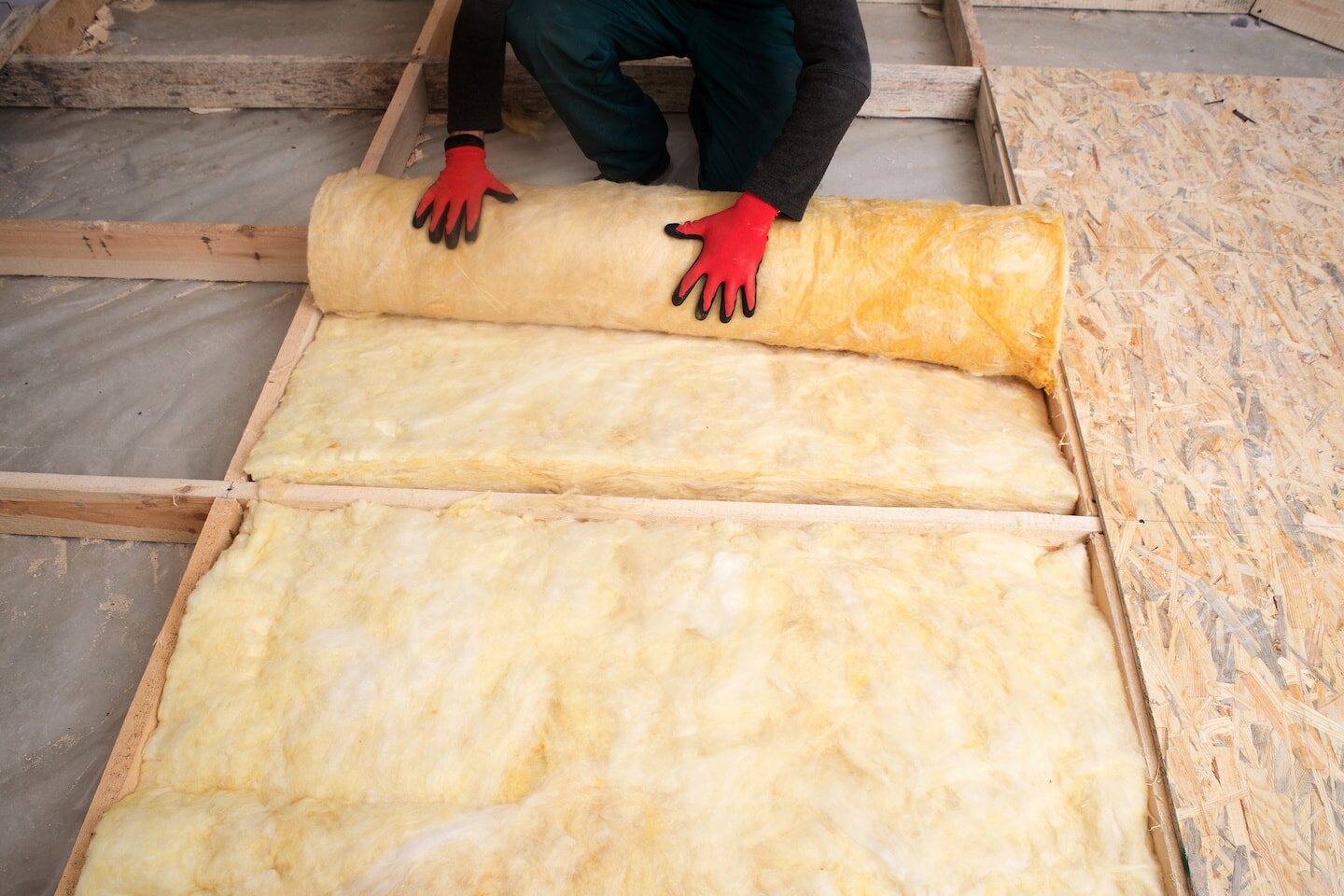 Fiberglass InsulationBatts and loose-fill glass wool, and where each one fits.Explore service →
 Closed Cell Spray FoamFor below grade, limited depth, and anywhere moisture is a factor.Explore service →