Home / Services / Closed Cell Spray Foam
The two-pound foam
Closed Cell Spray Foam in Knoxville, Tennessee
Closed cell is the densest foam we install. It delivers the highest R-value per inch of any product on this site, and it is its own moisture barrier.
What Makes Closed Cell Different
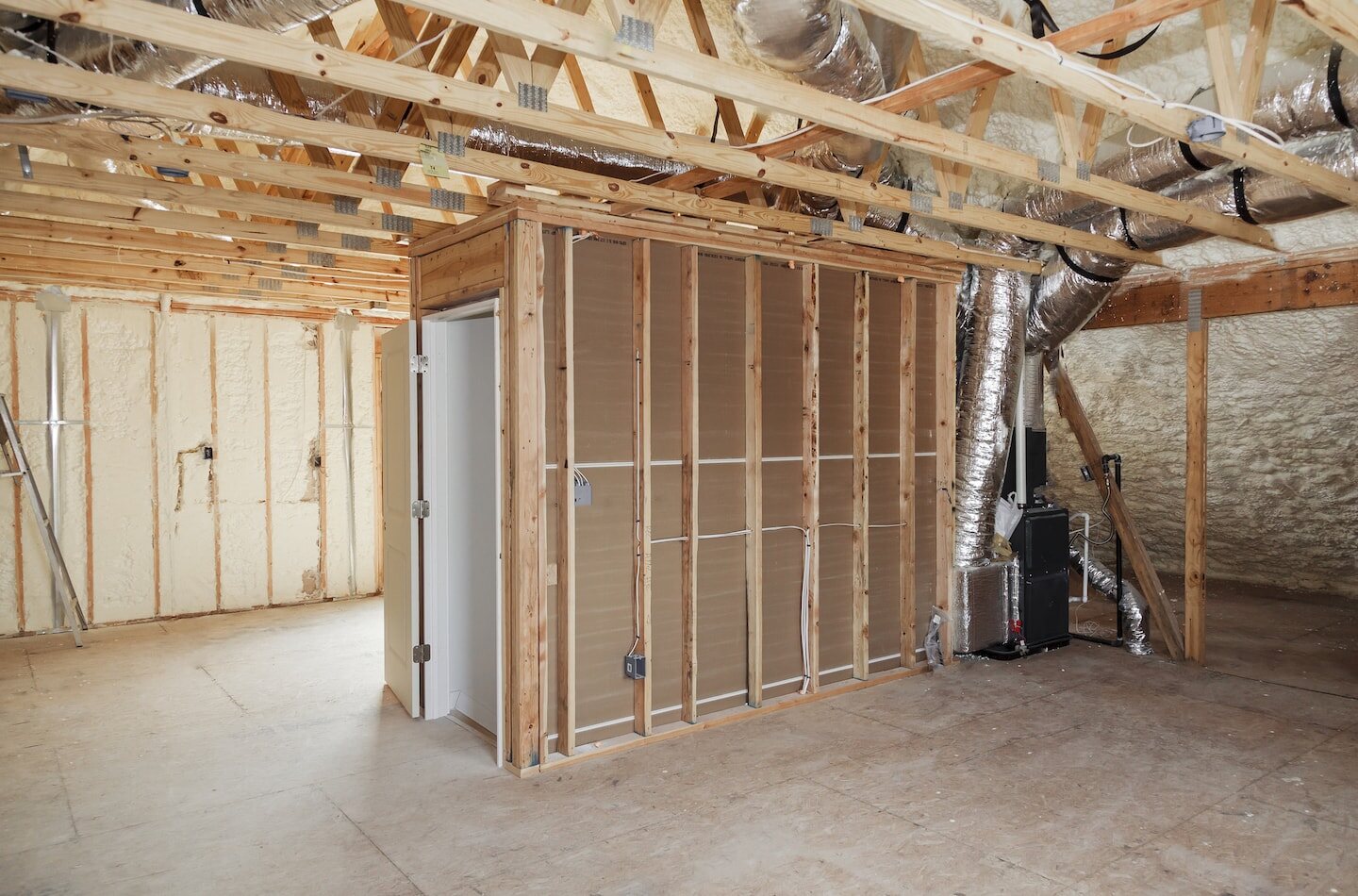
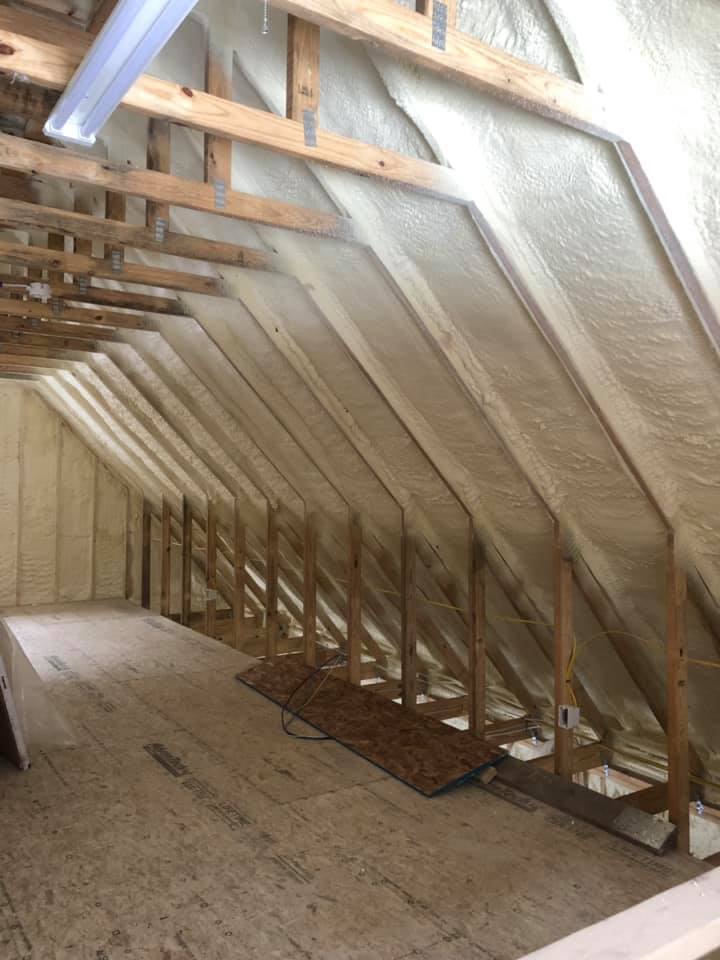
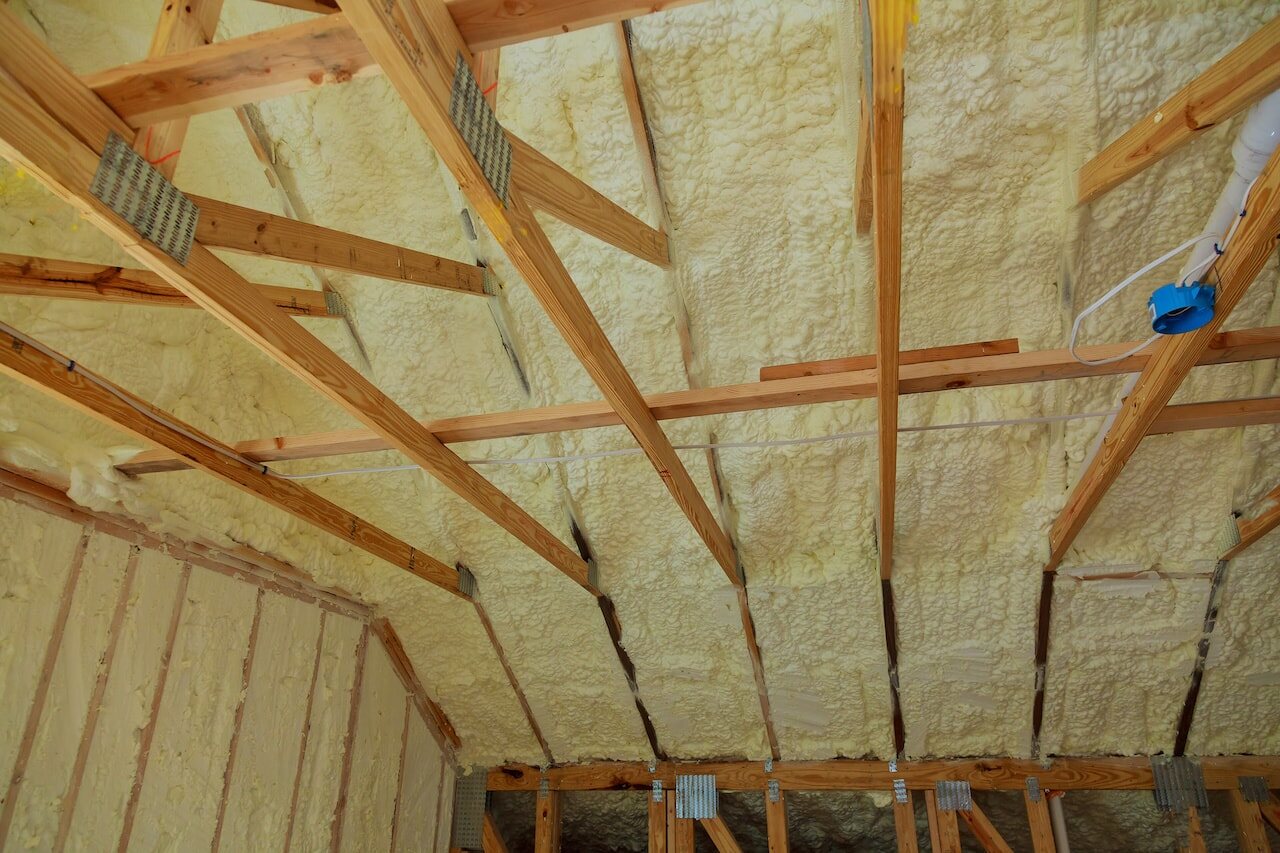
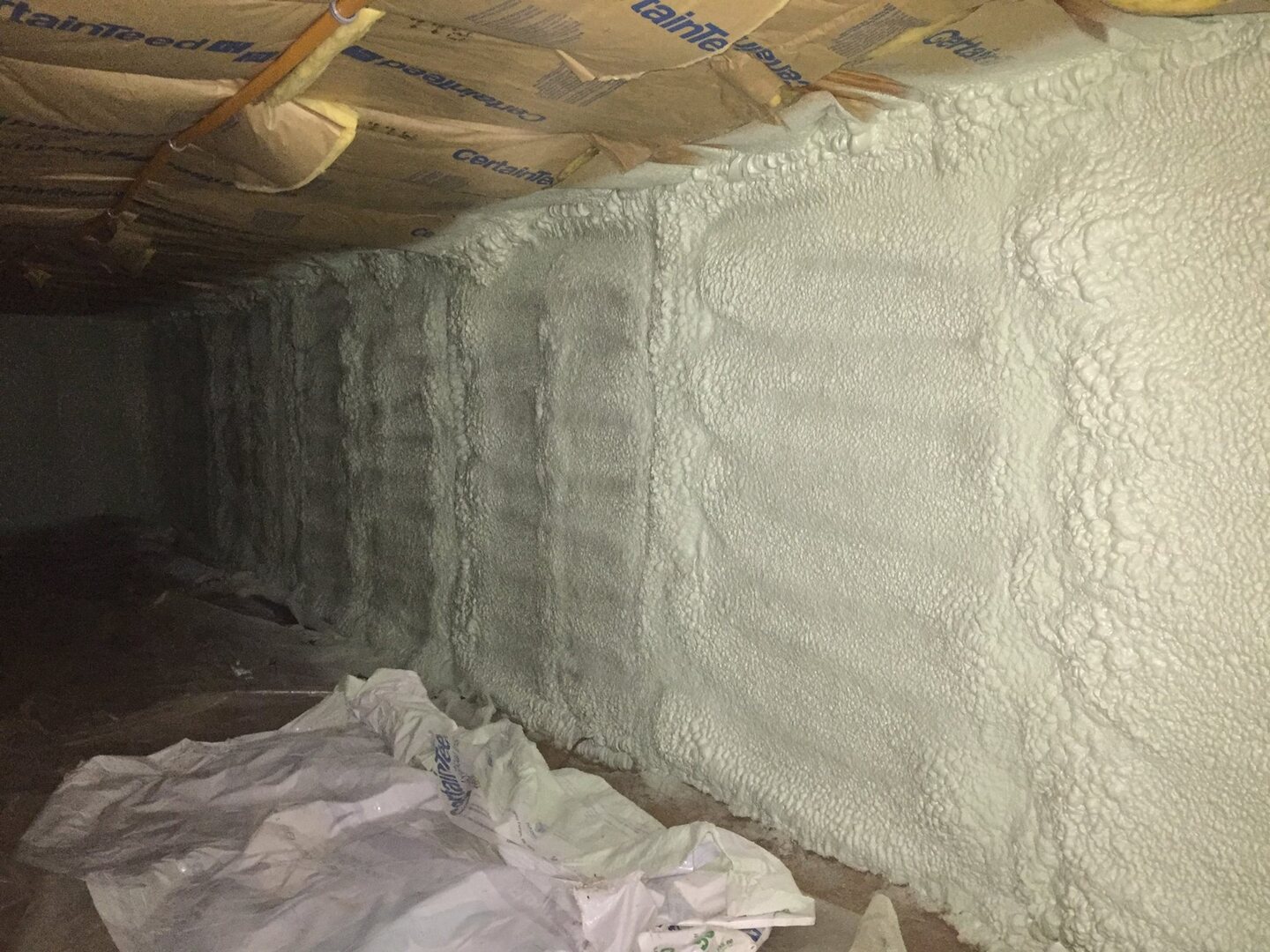
Closed cell spray polyurethane foam cures at roughly two pounds per cubic foot, with each cell sealed shut from its neighbours. That dense, closed structure is where every one of its advantages comes from: around R-6 to R-7 per inch, which is the highest of anything we install; a built-in vapour retarder, because water cannot travel through sealed cells; and genuine structural rigidity, since cured closed cell bonds to the substrate and stiffens the assembly it is sprayed into.
It costs more per board foot than open cell. For the assemblies below, it is worth it, and for others it is not. We will tell you which one you have.
Where East Tennessee Needs It
Knoxville summers are hot and genuinely humid, and the region is full of homes built over crawl spaces. That combination is what makes closed cell the right specification here more often than it would be in a dry climate.
Below grade, against a foundation wall, on a crawl space perimeter, on the underside of a floor over an unconditioned space, on a steel building deck where condensation forms, and in any assembly where the foam could contact bulk water. In every one of those, a water-absorbing material is a failure waiting for a wet spring.
Where Depth Is the Deciding Factor
There is a second reason to choose closed cell that has nothing to do with moisture: when you simply do not have the depth. A 2x4 stud bay gives you three and a half inches. Filled with closed cell that is a meaningfully higher R-value than the same cavity filled with a lower-density product. Where the cavity is deep and dry, open cell usually wins on value instead.
Find out which your project needs: call (865) 270-5126 or request a free estimate.
The Moisture Argument, Plainly
Insulation that absorbs water stops insulating when it gets wet, and it stays wet for a long time in a humid crawl space. Closed cell does not take up water, so its performance does not depend on the space staying dry — which, in East Tennessee, it very often does not.
That said, foam is not a cure for a water problem. If there is standing water, a failed ground barrier or grading that drives rain at the foundation, we deal with that first and say so in the written scope. Insulating over an active leak is covering a problem, not solving one.
Closed cell questions
What Knoxville homeowners ask
Is closed cell worth the extra cost over open cell?
In the right assembly, yes. Below grade, in a crawl space, on a steel deck, or anywhere depth is limited, it is the correct product and open cell is not. In a deep, dry roof cavity where you want maximum coverage per dollar, open cell is often the better buy. The assembly decides it, not a ranking.
How many inches do I need?
It depends on the assembly and what you are trying to achieve, which is why the estimate names an installed depth for each area rather than quoting one number for the whole house. Closed cell delivers roughly R-6 to R-7 per inch, so it reaches a target depth in fewer inches than anything else we install.
Does closed cell really add strength?
Cured closed cell bonds to the substrate and stiffens the assembly. It is a genuine secondary benefit, particularly on metal buildings and older framing. It is not a structural repair and we will not sell it as one.
Will it trap moisture in my walls?
That is the right question to ask. Because it is vapour-closed, it changes how an assembly dries, which is why we look at which direction a wall needs to dry before specifying it. In the wrong assembly, any vapour-closed product can cause problems. That is a design decision, not a product flaw.
Can you use closed cell in some areas and open cell in others?
On a whole-house job that is usually the best-value answer: closed cell where moisture or limited depth demand it, open cell across the large open areas. Mixed specifications are itemised separately so you can see exactly what goes where and why.
Not sure which foam your assembly needs?
Tell us about the space and we will specify the product that suits it, with the reasoning in writing.
Free written estimates • Installed depth stated • Mixed specifications itemised
Compare and explore